Integrative Periodontal Care in Annandale, Virginia
Gum disease, clinically known as periodontal disease or periodontitis, is one of the most widespread chronic infections affecting adults today. At Evergreen Dental Wellness in Annandale, Virginia, Dr. Gyu Hwang and our team take a biological, whole-body approach to periodontal care. Rather than focusing solely on symptoms, we work to identify the underlying causes of infection and support your body’s natural ability to heal, protecting both your oral health and your overall wellness.
Understanding periodontal disease
Periodontal disease develops when harmful bacteria accumulate below the gumline and trigger chronic inflammation. Over time, this infection damages the gum tissue and the bone that supports the teeth, making it the leading cause of adult tooth loss. As periodontal disease progresses, patients may experience bleeding gums, gum recession, chronic bad breath, loose teeth, or deep pockets of infection around the teeth.
The impact of gum disease extends far beyond the mouth. Research continues to show strong connections between periodontitis and systemic health concerns, including cardiovascular disease, respiratory illness, complications with diabetes management, and an increased risk of premature, low-birth-weight pregnancies. Because oral infections can contribute to widespread inflammation throughout the body, early detection and targeted treatment are essential.
Limitations of conventional surgical treatment
Traditional periodontal therapy often relies on surgical procedures designed to remove diseased tissue and reduce gum pockets once the disease has reached a moderate or advanced stage. While surgery may reduce visible signs, such as swelling or bleeding, it often addresses the damage caused by the infection rather than the infection itself. As a result, treatment can be reactive instead of preventive, and patients may continue to experience recurring issues if the underlying bacterial imbalance remains unaddressed.
47% of adults in the United States over the age of 30 have some form of gum disease. That’s ninety-three million Americans. Based on U.S. statistics, it is shocking to realize that worldwide, 1.8 billion people suffer from some sort of periodontal disease.
Even in healthy, athletic people, bacteria that cause gingivitis and periodontal disease can travel anywhere in the body and have been shown to be associated with heart disease, stroke, and diabetes in the same way smoking is associated with cancer. It is a silent killer.
So what’s the cause, and how can it be eliminated? About 600 types of bacteria can live in the mouth. Among these, only about 20 are bad. These pathogens live below the gum line. They grow very fast, doubling in number every five hours. They hijack our immune system, causing it to destroy our gum tissue instead of the pathogens. The pathogens feed on this destruction and get into the bloodstream, where they cause life-threatening inflammation in other organs like the heart, the lungs, and the brain.
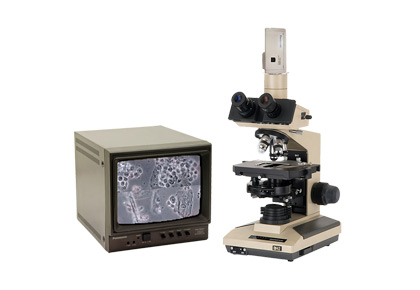
We use the phase microscope to determine if someone is at risk for or has active periodontal disease. We take a sample of the bacteria from under your gum and look at that under a slide under the phase microscope. We can see a live picture of the bacteria. If there’s a lot of movement, we know that person is at high risk for dental disease. If they don’t do something to eliminate that cause, they will get destruction in their mouth.
You have a choice. You can spend hundreds of dollars treating the cause of dental disease, or you can spend many thousands of dollars treating the results of periodontal disease. Which one would you choose?
A dentist who doesn’t have a microscope is kind of blind. Most of us are neither diagnosing the disease correctly nor treating it correctly. Gum disease infections have been linked to eye infections, joint infections, Alzheimer’s disease, and at least a dozen important systemic diseases.
Periodontal disease is a bacterial infection that can be treated. Our treatment identifies pathogenic bacteria, and we can determine what needs to be done to eliminate them. Bacteria are the root cause of gum disease. You need to treat the cause of the problem, not just the symptoms. Understanding the bacteria and being able to use bacteria testing such as MicroAdin helps us know the cause, not just the symptom.
You want your dentist looking for things that you’re not aware of, because by the time you’re aware of them, they’re already a pretty big problem—and that’s why we call it a silent killer. You should ask your dentist if he does any microbiological testing for pathogens or bad bacteria, and if he doesn’t do any testing for bad bacteria, you should find someone who does.
With today’s technology, we can effectively eliminate periodontal pathogens. But the dentist must also help patients make sure these pathogens do not return. Effective oral hygiene, safe antibacterials, and regular screening with microbiological tests are the only effective strategies to assure that these pathogens do not reoccur.
For more information, go to the website on this video.
Personalized biological periodontal care in Annandale, VA
At Evergreen Dental Wellness, we provide Biocompatible Periodontal Therapy (BPT), an integrative approach that focuses on identifying and eliminating infection while strengthening the body’s resistance to disease. In addition to traditional periodontal measurements, we utilize advanced diagnostic tools that enable us to evaluate the oral environment at both microscopic and biochemical levels.
EDW Phase contrast microscope real bacteria from mouth - Dr. Gyu Hwang
[music]
Slide 1:
EDW PHASE CONTRAST MICROSCOPE REAL BACTERIA FROM THE MOUTH
Slide 2:
This is a live sample taken from the human mouth.
It is viewed using a phase-contrast microscope, which lets us see bacteria without dyes.
Slide 3:
The moving shapes are living bacteria found in saliva.
Everyone has bacteria in their mouth and not all bacteria are normal.
Slide 4:
Certain types -especially rods and spirochetes- are proven triggers for heart and vascular diseases and diabetes.
Slide 5:
We use this phase contrast microscope to detect these harmful bacteria and provide targeted treatment to protect both your smile and your overall health.
Slide 6:
The movement shows that these bacteria are alive and active.
Some bacteria move on their own, while others move with saliva flow.
Slide 7:
Why It Matters?
When bacteria grow too much, they can affect oral health.
Daily brushing and flossing help keep bacteria under control.
Slide 8:
Good oral care supports a healthy mouth and body.
Phase contrast microscopy
One of the cornerstones of our biological approach is the use of a phase contrast microscope. This powerful diagnostic tool allows us to examine live plaque samples collected from beneath the gumline at high magnification. Unlike standard evaluations that only measure pocket depth or bone loss, phase contrast microscopy enables us to directly observe the types of bacteria present in real time.
With this technology, we can identify pathogenic organisms commonly associated with periodontal disease, including motile bacteria and spirochetes, long before extensive tissue damage occurs. Patients are often able to view these findings on a screen, helping them better understand their diagnosis and the importance of targeted treatment. By knowing exactly which microorganisms are involved, we can design a more precise and effective anti-infective protocol tailored to each individual.
Saliva testing for oral and systemic insight
Saliva testing is another important component of our comprehensive periodontal evaluation. Saliva provides valuable information about bacterial levels, inflammatory markers, and the overall balance of the oral microbiome. Through saliva analysis, we can assess a patient’s risk of periodontal disease progression and identify imbalances that may contribute to chronic inflammation.
Saliva testing also helps us monitor the effectiveness of treatment over time. By tracking changes in bacterial activity and inflammatory markers, we can adjust care strategies as needed and support long-term periodontal stability rather than relying on one-time interventions.

Supporting immune health and oxidative balance
In addition to controlling infection, successful periodontal therapy requires supporting the body’s ability to heal and resist oxidative stress. Many patients with chronic gum disease have lower levels of protective antioxidants, which play a critical role in tissue repair and immune defense.
We may use a non-invasive carotenoid scanner to evaluate antioxidant levels in the body. Carotenoids, found in colorful fruits and vegetables and dark leafy greens, are important markers of overall antioxidant status. Measuring these levels enables us to offer personalized guidance on nutrition and lifestyle choices that can promote healing and enhance long-term outcomes.
A gentler, evidence-based alternative to surgery
Biocompatible Periodontal Therapy focuses on addressing the true causes of gum disease: harmful bacteria and reduced immune resilience. This approach is typically more comfortable than surgery, avoids unnecessary tissue removal, and is often more cost-effective in the long run. Our protocols are supported by extensive scientific research and align with standards established by the National Institute of Dental and Craniofacial Research and the International Academy of Oral Medicine and Toxicology (IAOMT).
If you are seeking a proactive, biologically informed approach to periodontal care in Annandale, Virginia, Evergreen Dental Wellness is here to help you restore your oral health while supporting your overall well-being.
Frequently Asked Questions About Biological Periodontal Care
How does biological periodontal care support both gum health and overall wellness?
Biological periodontal care focuses on treating gum disease while supporting the body’s natural healing processes. By using biocompatible materials and gentle techniques, this approach helps reduce inflammation and harmful bacteria without disrupting the body’s balance. At Evergreen Dental Wellness in Annandale, Virginia, this method is designed to improve not only gum health but also overall wellness.
What symptoms might indicate the need for biological periodontal care?
Common signs include bleeding gums, persistent bad breath, gum recession, and sensitivity. Some patients may also notice loose teeth or discomfort when chewing. Addressing these symptoms early with biological periodontal care can help prevent the progression to more advanced stages of gum disease and protect long-term oral health. Early evaluation also allows for more conservative, less invasive treatment options.
How is biological periodontal care different from traditional gum disease treatment?
Biological periodontal care takes a more holistic approach compared to traditional methods. Instead of focusing solely on removing infection, it emphasizes preserving healthy tissue, minimizing toxins, and supporting the body’s immune response. This often includes the use of non-invasive or minimally invasive therapies that promote natural healing. The goal is to treat the condition while maintaining harmony with your overall health.
What types of treatments are included in biological periodontal care?
Treatment may involve gentle deep cleanings, laser-assisted therapy, antimicrobial rinses, and ozone therapy. These methods aim to reduce harmful bacteria while encouraging tissue regeneration. Each treatment plan is customized to the patient’s needs to ensure effective and comfortable care. Your provider may also recommend supportive therapies to enhance healing and long-term results.
Is biological periodontal care a good option for patients with sensitivities or health concerns?
Yes, this approach is especially beneficial for patients who prefer more natural, low-toxicity treatment options. By avoiding harsh chemicals and focusing on biocompatible solutions, biological periodontal care can be a safer and more comfortable choice for individuals with sensitivities or underlying health conditions. It also provides peace of mind for those seeking a more holistic approach to dental care.
How can biological periodontal care help prevent future dental issues?
By addressing the root causes of gum disease and promoting a balanced oral environment, biological periodontal care helps reduce the likelihood of recurring infections. Healthier gums provide better support for teeth, lowering the risk of tooth loss and other complications over time. Consistent care also helps maintain a stable foundation for long-term oral health.
What should I expect during a biological periodontal care appointment?
Appointments are typically designed to be gentle and patient-focused. Your provider will assess your gum health, discuss your symptoms, and recommend personalized treatments. Many procedures are minimally invasive, and the goal is to ensure comfort while effectively managing gum disease.
How can I maintain results after biological periodontal care treatment?
Maintaining your results involves consistent oral hygiene, including brushing, flossing, and using recommended products that support gum health. Regular dental visits at Evergreen Dental Wellness in Annandale, VA allow for ongoing monitoring and early intervention if needed. Lifestyle factors such as a balanced diet and stress management can also play a role in sustaining healthy gums.
Schedule a visit with Dr. Gyu Hwang for healthy alternative medicine in periodontal therapy. The number in Annandale, VA is